The Modern Chinese Dishes Worth Ordering in Harlem
A good menu rewards knowing what to order. Panda Harlem's is bigger and more interesting than the takeout list most people picture when they think of Chinese food, and a little guidance helps you build a meal that shows off what the kitchen does best. This is a sit-down modern Chinese restaurant in West Harlem with Asian-fusion touches running through the cooking, which means the familiar dishes come with a few twists you do not find everywhere. Here is a walk through the dishes worth ordering, built the way you would actually eat a meal, from the first small plate to the showpiece in the middle of the table.
The whole menu is worth a browse on the food menu, but if you want a plan before you sit down, start here.
Start with the small plates
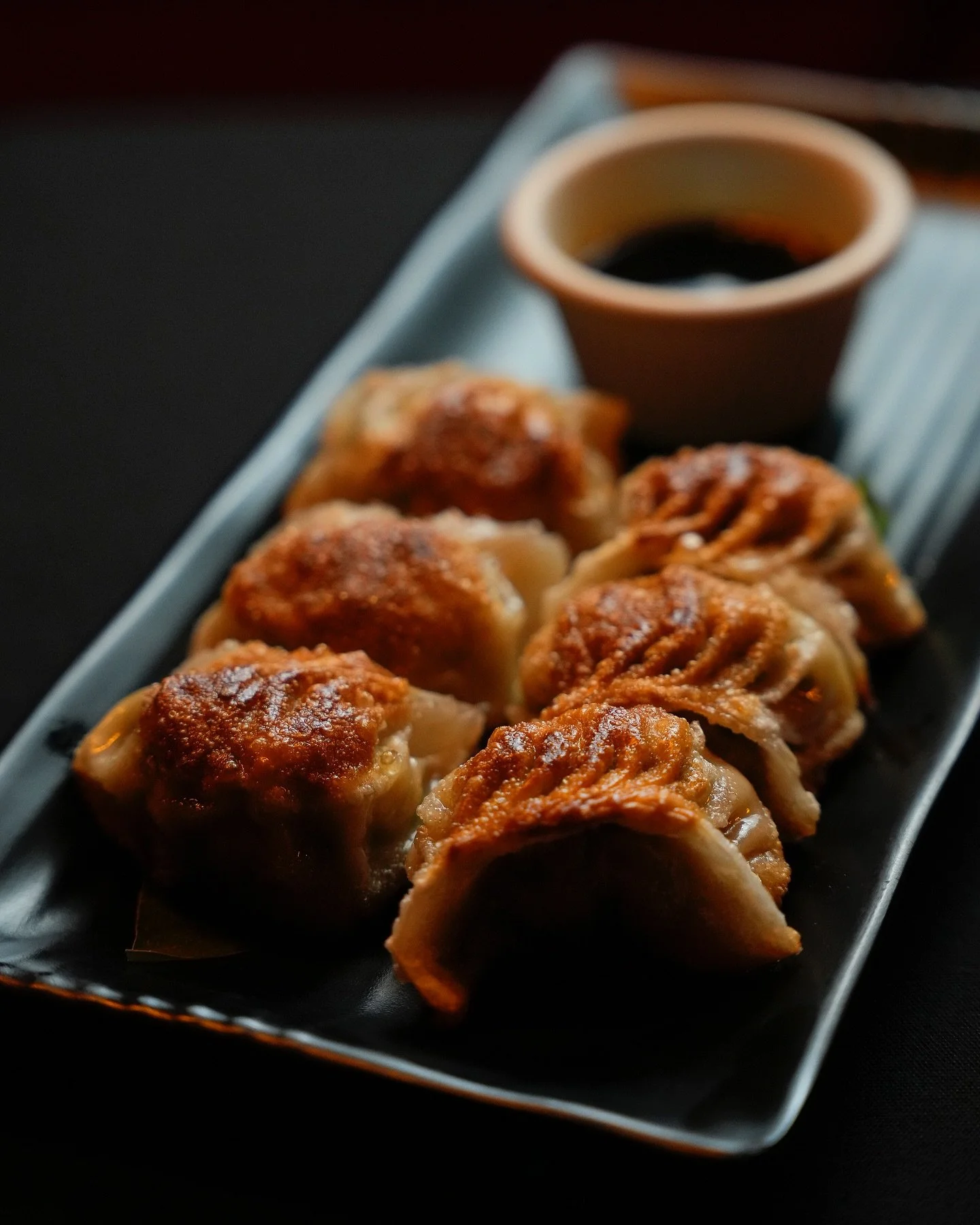
The small plates are where Panda's personality comes through most clearly, and they are the right way to open a meal. The two that best show the Asian-fusion approach are the oxtail dumplings finished with gruyere and the pastrami spring rolls with kimchi and gruyere. Both take a familiar form and push it somewhere unexpected, and both are the kind of thing that gets a table talking. They are a good signal of what the kitchen is doing across the rest of the menu.
From there, the chicken bao buns, the scallion pancakes, and the satay, in chicken or shrimp, are all easy crowd-pleasers to share. If you want to lean a little more upscale to start, the crab cakes, the lobster spoons, and the rock shrimp tempura bring some richness to the opening of the meal. Order a few of these for the center of the table and let everyone pick, which is the most enjoyable way to begin.
The dumplings and the spring rolls
The dumplings deserve their own moment, because the range is wide. They come in vegetable, chicken, pork, and shrimp, priced from about $14 to $19, so a table can order a couple of kinds and compare. They are a reliable anchor for the early part of the meal and travel well around a big table.
The spring rolls are worth attention too. Beyond the pastrami version already mentioned, the lobster spring rolls are a step up for a table that wants something a bit more special to share. Between the dumplings and the rolls, you can build a whole opening course of things meant to be passed around, which suits the family-style way the menu is designed to be eaten.
The mains worth ordering
This is where the sit-down, not-takeout character of the place really shows. The lamb chops, at $46, are the dish to order when you want dinner to feel like an occasion. The black pepper beef is made with filet mignon, and there is a filet mignon and broccoli as well, both of which put a cut of steak where a takeout menu would use something cheaper. The Shanghai salmon and the Shanghai ribs round out the heartier end of the menu, and the Beijing chicken is a strong pick for the table that wants something a little more classic done well.
If you want the familiar comfort dishes, they are here too, with a sweet and sour chicken and a kung pao chicken on the menu. The difference is the setting and the execution. These are dishes you sit down and order as a course, served at the table rather than scooped from a container, which is the whole point of eating here instead of carrying out. Pair any of them with lo mein or fried rice, which serve two, to round out the table.
The showpiece for the table
Every menu has a dish you order when you want to go big, and at Panda that is the colossal lobster, at $135. It is built to be the centerpiece of a celebration, a dish a whole table gathers around, and it is the natural choice for a birthday, an anniversary, or any dinner that deserves a little spectacle. Pair it with the shareable Panda Fish Bowl from the bar and you have the makings of a real event at the table.
You do not need to order the showpiece every time, of course, but it is good to know it is there for the night that calls for it. It is the clearest example of the menu reaching well past what anyone expects from Chinese food in a takeout bag.
How to order for the table
If you are not sure how to put it all together, a simple progression works. Start with three or four small plates for the table, making sure at least one is the oxtail dumplings or the pastrami spring rolls so everyone gets a taste of the kitchen's signature touches. Add a round of dumplings to share. Then move into two or three larger dishes, mixing something from the steak and seafood end with a chicken dish so the table has range. Finish with lo mein or fried rice to round everything out.
Ordered this way, a dinner for four to six people covers the best of the menu without anyone having to overthink it. The shareable, family-style format means nobody is locked into a single plate, and the table ends up with a spread that has a little of everything. It is a more interesting way to eat than ordering one entree each, and it suits the menu perfectly.
What to drink with it
A meal like this is better with the right drink next to it, and Panda's bar is set up to pair well with the food. The lighter, fruit-forward cocktails, like the Lychee Martini or the Passion Fruit Martini, sit nicely alongside the small plates and the dumplings, where you want something bright rather than heavy. For the richer mains, the steak dishes and the ribs, a more classic drink like the New York Sidecar holds its own.
For a table sharing across the whole menu, the Panda Fish Bowl is the easy answer, a large shareable cocktail that matches a spread meant to be passed around. The bottle program runs deep as well, from wine by the glass up to champagne for a celebration dinner. None of it is required, but a drink chosen to match what you are eating turns a good meal into a better night. The full list is on the drinks menu.
What makes it modern Chinese
The thread running through all of this is the Asian-fusion approach. The gruyere in the oxtail dumplings, the kimchi and pastrami in the spring rolls, the filet mignon standing in for ordinary beef: these are familiar Chinese forms with touches you would not expect, and they are what separate Panda from a standard menu. It is recognizable enough to be comfortable and different enough to be worth a trip, which is exactly what a modern Chinese kitchen should be. You can see the full range, and read more about the restaurant, on the restaurant page.
Come try it
The best way to get to know a menu is to sit down and work through it. For a table of one to nine guests, book through the reservations page and pick your time, or walk up to the bar if you would rather keep it spontaneous. The bar and kitchen open at 5 PM Tuesday through Friday and at 3 PM on Saturday and Sunday, and the restaurant is closed on Mondays.
Bring a few people, order across the menu, and let the table share. That is how this food is meant to be eaten, and it is the easiest way to find your own favorites. Take one more look at the food menu, make a plan, and come hungry.