Private Dining Room, Large Table, or Buyout: Which Fits Your Event
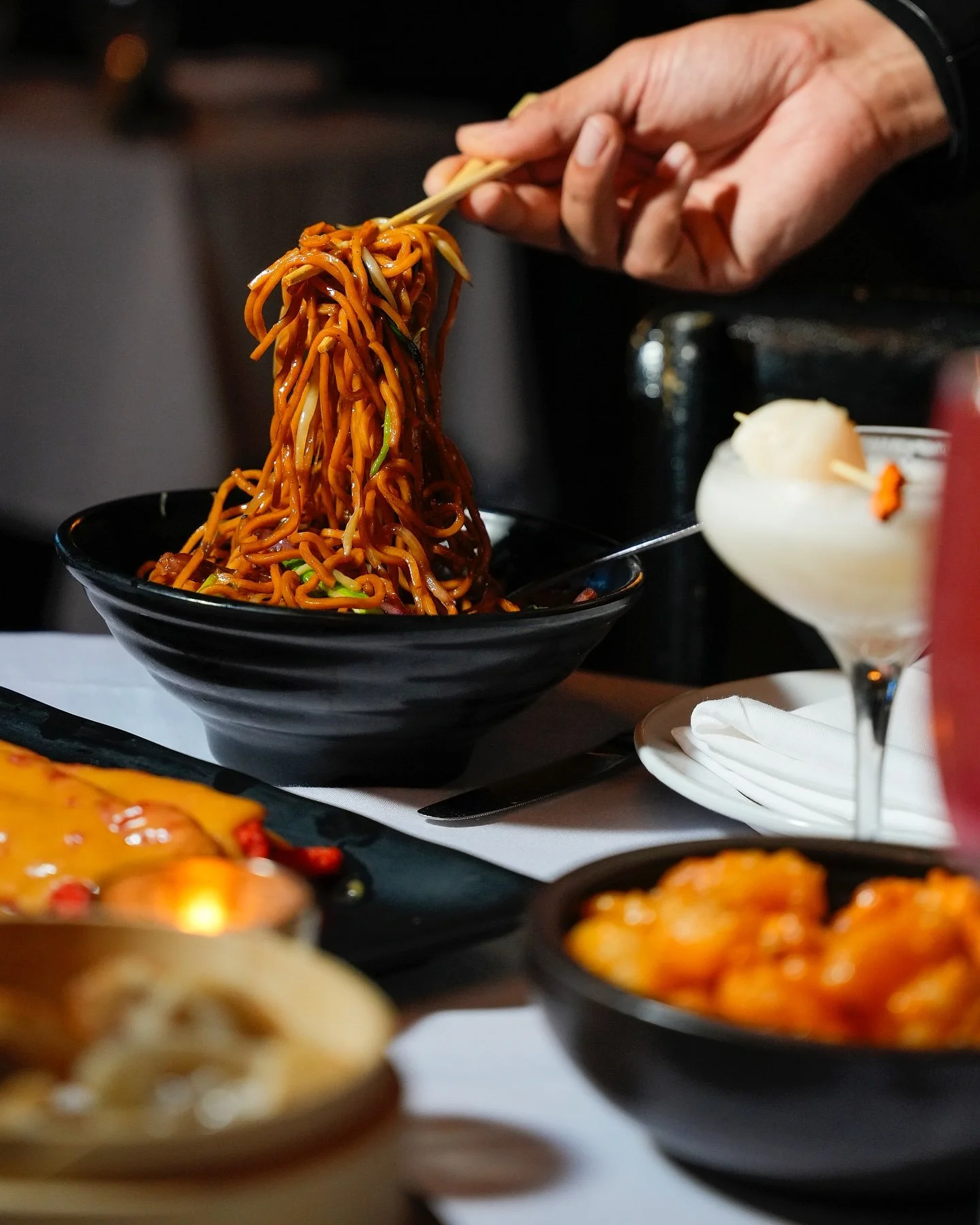
When you are hosting an event in Harlem, the first question is not really where. It is what kind of space you need. A dinner for a dozen friends, a thirtieth birthday, a company team dinner, and a big milestone party are all events, but they ask for very different rooms. Pick the right format and the night runs itself. Pick the wrong one and you are either crammed into a space that is too small or lost in one that is too big. Panda Harlem gives you three clear options, and most of planning an event here is just choosing between them.
Panda is a sit-down modern Chinese restaurant and cocktail bar in West Harlem, and it is set up to host groups from a dozen people to a couple hundred. This is a breakdown of the three ways to do it, who each one is for, and how to figure out which fits what you are planning.
Option one: the private room, up to 18
The private room is the most popular choice for a reason. It is a fully enclosed space that seats up to 18 guests, comes with its own server, and has a television in the room along with control over the audio. That combination, enclosed walls plus your own server plus your own music and screen, is what turns a group dinner into an actual event. Your group has the space to itself, so you can make a toast, run your own playlist, and be as lively as the occasion calls for without worrying about the tables around you.
This is the right pick for an intimate but real celebration: a birthday dinner, an engagement or anniversary, a small team dinner, a graduation, or a private watch party for a big game. It is big enough to feel like a party and small enough to stay personal, and the dedicated server means nobody at the table has to play host all night. You can read how the private setup works on the private parties page.
Option two: large-group dining, around 20 to 30
When your guest list outgrows the private room but you are not throwing a full-scale party, the large-group option is the middle path. Panda reserves space for roughly 20 to 30 guests, which suits a bigger dinner that does not necessarily need four walls around it. Think of a large birthday, a club or organization dinner, a sizable group celebration, or a team outing that has grown past a dozen people.
The difference between this and the private room comes down to how much privacy you need. A large-group reservation gives you the room for a real crowd while keeping you within the restaurant rather than sealed off in a separate space. For a lot of celebrations, that is exactly right, since the energy of a full restaurant adds to the night rather than taking away from it. The group dining page covers how Panda handles parties at this size.
Option three: the full buyout, up to 200
For a genuine party, Panda books full buyouts of the space for up to 200 guests. This is the whole restaurant, yours for the night. It is the option for a milestone birthday that turns into an event, a large corporate party or holiday party, a big organizational gathering, or any occasion where you want a couple hundred people in one place with the run of the room.
A buyout is a different kind of planning than a table or a private room, because you are effectively taking over a venue, but the payoff is total control of the space, the layout, and the night. To get a feel for what the room looks like and what it can hold, take a look at the venue page. If a buyout is what you have in mind, the sooner you start the conversation, the better, since dates for something this size book up well ahead.
Packages and the food and drink side
Whichever format you land on, the food and drink can be handled to match. For larger groups, prix fixe menus and open bar packages are available, which take the guesswork out of feeding and watering a crowd and keep the night from turning into a logistics problem. Rather than coordinating dozens of individual orders, you set a menu and a bar package in advance and let the kitchen and bar run it.
The food itself is built for groups, with shareable plates like dumplings, bao buns, satay, scallion pancakes, and spring rolls, alongside larger dishes such as lamb chops, black pepper beef made with filet mignon, and a colossal lobster for a table that wants to make an impression. The bar brings the shareable Panda Fish Bowl, signature cocktails, and bottle service up to champagne for a toast. The exact packages depend on your group and what you want, so the team will walk you through current options, but you can browse the starting points on the food menu and the drinks menu.
A restaurant, not a blank event space
One thing worth keeping in mind as you choose is that hosting at Panda is not the same as renting an empty event hall and bringing everything in yourself. Because it is a working restaurant first, the food, the bar, the service, and the room already operate as a whole. You are not coordinating an outside caterer, a rented bar, and a space that needs to be dressed up to feel like anything.
You are booking a place that already does dinner and drinks well every night and shaping it around your event. For most hosts, that is the easier path. A blank venue hands you a shell and a long to-do list. A restaurant hands you a night that is mostly already built, which means less for you to manage and more time to actually enjoy your own party. That is the whole idea behind hosting at a restaurant rather than a hall, and it is a big part of why the planning here stays manageable even at a couple hundred guests.
How to choose
If you are not sure which option fits, it comes down to three quick questions. First, how many people are coming? Up to about 18 points to the private room, 20 to 30 to large-group dining, and anything approaching a hundred or more to a buyout. Second, how private does it need to be? If you want your own enclosed space with your own music, the private room is the answer even at a smaller size. If the buzz of a full restaurant suits the occasion, large-group dining works well. Third, what is the occasion? An intimate celebration leans toward the private room, while a sprawling party leans toward a buyout.
Most events sort themselves out once you answer those three. And if you are on the line between two options, that is exactly the kind of thing the team can help you think through when you reach out. For celebrations specifically, the celebration dinner page gives another sense of how these nights come together.
How to book
For a smaller event of up to nine people, you can simply book a table through the reservations page. For anything larger, the private room, large-group dining, or a buyout, the right step is the private party inquiry form. Tell the team your date, your headcount, and the kind of event you are planning, and they will point you to the format that fits and handle the details from there.
The restaurant is at 2331 12th Avenue in West Harlem, the bar and kitchen open at 5 PM Tuesday through Friday and at 3 PM on Saturday and Sunday, and it is closed on Mondays. Dress is casual. Pick the format that matches your group, get the conversation started early, and the rest of hosting an event in Harlem becomes far simpler than it sounds.